

In today’s fast-paced world, maintaining proper dental hygiene can easily be overlooked. However, dentists universally emphasize the importance of a daily routine that promotes oral health. Consistently following certain dental hygiene tips not only helps you maintain a bright smile but also prevents dental issues that could become costly or painful if neglected.
1. Brush and Floss Regularly
The cornerstone of good dental hygiene is proper brushing and flossing techniques. dentist.com’>Dentists recommend brushing your teeth at least twice a day using a fluoride toothpaste. It’s crucial to spend at least two minutes brushing to ensure all surfaces, including those hard-to-reach places, are cleaned thoroughly.
Flossing once a day is equally important, as it removes plaque and food particles that a toothbrush can’t reach. Regular flossing also helps to prevent gum disease, which can lead to more serious oral health issues if left unchecked.
Many people overlook flossing, yet it’s a daily practice highly suggested by dentists. Proper flossing involves using a clean section of floss for each tooth and being gentle to avoid irritating the gums. Combining both brushing and flossing techniques ensures that your mouth stays free from plaque build-up, preventing cavities and gum problems. Another tip that dentists give is to replace your toothbrush every three months or as soon as the bristles start to fray, as this ensures effective cleaning. Choosing the right toothbrush—as suggested by your dentist—can also make a huge difference in maintaining oral health.
Brushing and flossing are habits formed through consistency and routine, yet their importance cannot be overstated. These practices are preventive measures that, when performed correctly, decrease the risk of developing cavities, gingivitis, and periodontitis. Consistent oral care is the first line of defense against a host of dental issues. By following these basic steps, informed by the guidance of your dentist, you not only invest in your dental health but also improve your overall well-being. Remember, neglecting these habits can lead to complications needing complex and expensive treatment interventions.
2. Maintain a Healthy Diet
Diet plays a crucial role in maintaining dental health as it influences the condition of your teeth and gums. Dentists often stress the importance of a balanced diet rich in fruits, vegetables, and whole grains. These foods provide essential nutrients that support strong teeth and healthy gums. Avoiding excessive intake of sugary and acidic foods can significantly reduce the risk of tooth decay and erosion. Drinking plenty of water, especially fluoridated water, can also help rinse away food particles and bacteria, maintaining the cleanliness of your mouth.
Sugary drinks and snacks are the culprits behind many dental issues as they are consumed frequently and get stuck in the small crevices of your teeth. Dentists advise patients to minimize the consumption of such items to prevent cavities. Incorporating foods that are high in calcium, such as dairy products, strengthens the enamel and protects teeth from decay. Leafy greens and nuts provide additional vitamins and minerals that are beneficial for oral health. Observing moderation and making mindful choices contribute to a diet that supports dental hygiene.
Reducing sugar intake not only improves dental health but also enhances overall health, reducing the risk of developing diabetes and obesity. Dentists continually advocate for nutritional education as part of dental care to ensure patients understand the impact of food on their oral health. Regular dental checkups complement a healthy diet by allowing your dentist to monitor your dental health and provide tailored advice. By aligning dietary habits with dental hygiene practices, you can maintain a radiant smile and prevent a myriad of health concerns.
3. Schedule Regular Dental Checkups
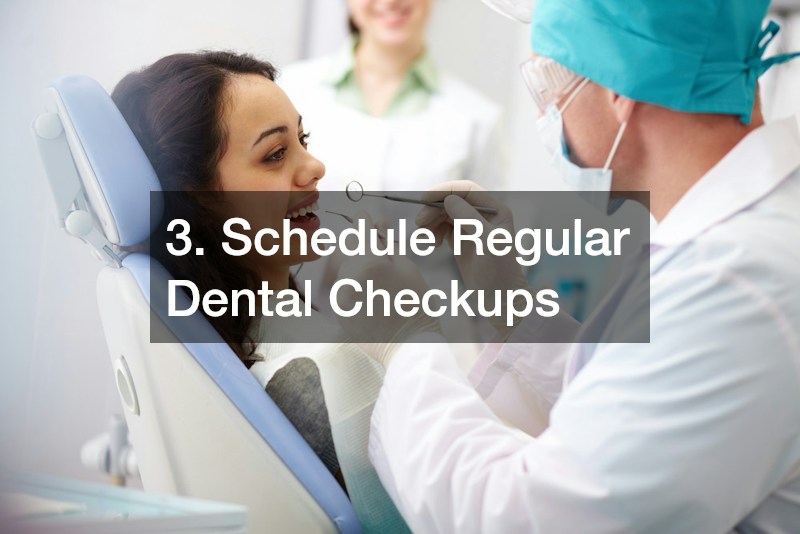
Regular dental checkups are pivotal in maintaining optimal oral health. Visiting your dentist at least twice a year allows for early detection of potential issues. During these visits, your dentist can perform professional cleanings that remove tartar, polish your teeth, and review your oral hygiene routine for improvements. Checkups also provide an opportunity to discuss any concerns or changes you may have noticed regarding your dental health. Professional advice from your dentist is invaluable in maintaining a comprehensive dental hygiene routine.
By not skipping dental appointments, you can avert small problems from escalating into serious ones. Many dental conditions, such as tooth decay and gum disease, can be arrested if caught in their early stages. Dentists use x-rays and other diagnostic tools during checkups to give a thorough examination of the health of your teeth and jaw. These visits are also essential for updating fluoride treatments and sealant applications, which offer additional protection against decay. Regular checkups act as a preventive measure, reducing the need for more invasive procedures later on.
Completing regular dental visits helps in maintaining a relationship with your dentist where continuity of care is prioritized. The trust and communication built over time encourage patients to follow professional advice and keep up with their hygiene at home. Adhering to your dentist’s recommendations plays a crucial role in achieving long-term dental health. Ultimately, regular dental visits are an integral part of a proactive lifestyle that values and promotes health and wellness. By prioritizing these appointments, you ensure not only the immediate health of your teeth but also the long-term stability of your oral health.
Maintaining dental hygiene requires a collaborative effort between diligent daily practices and regular professional care. By integrating these three essential tips into your routine—brushing and flossing regularly, eating a healthy diet, and scheduling regular dental checkups—you lay a robust foundation for enduring dental health. Following these guidelines, along with advice tailored by your dentist, ensures that you preserve your smile and oral health for years to come.