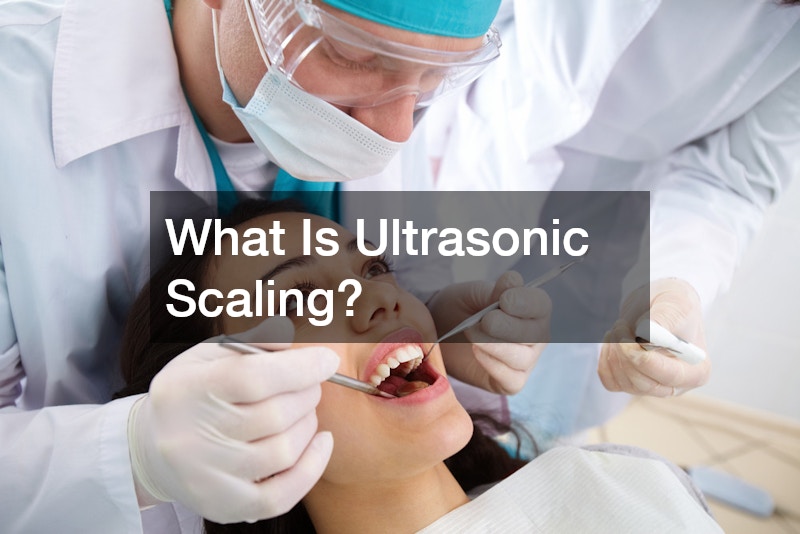

Ultrasonic scaling is a modern dental procedure that has revolutionized how professionals conduct teeth cleaning. This technique employs ultrasonic vibrations to remove plaque and tartar, providing a comprehensive clean that traditional methods may not achieve.
It offers a more comfortable experience for patients, often reducing the time spent in the dentist’s chair.
Understanding Ultrasonic Scaling
The process of ultrasonic scaling involves using a hand-held device that emits ultrasonic vibrations. These vibrations help to dislodge plaque and tartar from teeth, especially those hard-to-reach areas. This method is renowned for its precision in targeting difficult spots, ensuring a thorough teeth cleaning experience.
The device used in ultrasonic scaling combines water with ultrasonic frequencies to effectively clean the teeth. The water acts as a cooling agent, preventing any heat from building up due to the high-frequency vibrations. Patients appreciate this innovation because it minimizes discomfort and targets specific areas effectively.
During a treatment, patients will experience minimal to no pain, making ultrasonic scaling a preferred choice. The method is especially beneficial for those with gum diseases, where traditional scaling might worsen inflammation. The advanced technology involved guarantees a comprehensive teeth cleaning without compromising comfort.
Benefits of Ultrasonic Scaling
The primary benefit of ultrasonic scaling is the efficient removal of plaque and tartar. This effectiveness translates to healthier gums and prevents dental diseases from progressing. Additionally, ultrasonic scaling can disrupt colonies of bacteria, contributing to an overall healthier oral environment.
Another advantage is the procedure’s speed. Ultrasonic scaling typically takes less time than traditional methods, making it a practical choice for busy individuals seeking quick teeth cleaning sessions. The process is also less physically demanding on dental professionals, reducing the risk of repetitive strain injuries.
Moreover, ultrasonic scaling is less abrasive to the tooth enamel compared to manual scaling tools. This gentler approach ensures that patients maintain tooth integrity over repeated cleanings. The precision of the procedure helps ensure that only plaque and tartar are removed, leaving the natural tooth structure intact.
Who Should Consider Ultrasonic Scaling?
Ultrasonic scaling is suitable for most individuals, especially those who accumulate tartar quickly. People who may have neglected regular dental visits often find this method effective in restoring oral health. Additionally, patients with braces or other orthodontic devices benefit greatly, as ultrasonic vibrations can access hard-to-clean areas around brackets and wires.
For patients with periodontal disease, ultrasonic scaling can be particularly instrumental in managing symptoms. Regular sessions can significantly reduce inflammation, bleeding, and infection in the gums. Dentists often recommend this method as part of a comprehensive periodontal treatment plan, emphasizing its role in maintaining oral health.
Even individuals who practice diligent oral hygiene at home can benefit from the deep clean provided by ultrasonic scaling. Good brushing and flossing habits are essential, but they cannot always remove all the tartar buildup. Therefore, these individuals find ultrasonic scaling an excellent supplement to their oral care regimen.
In conclusion, ultrasonic scaling is a groundbreaking technology in the field of dental care. Its capacity to effectively clean teeth while providing comfort and speed makes it a preferred choice for many. Anyone looking for an efficient, gentle, and comprehensive cleaning method should consider discussing ultrasonic scaling with their dental professional.