
Choosing between dental crowns and fillings is one of the most common decisions patients face when restoring damaged teeth. Both treatments serve an important purpose in protecting oral health, but they are designed for different levels of tooth damage. Understanding how each option works can help you make a more informed decision about your dental care with guidance from CHS Dental.
Understanding the Difference Between Dental Crowns and Fillings
Dental fillings and dental crowns are both used to restore teeth, but they differ significantly in scope and strength. A filling is typically used when a tooth has minor to moderate decay or damage. The dentist removes the decayed portion and fills the area with a tooth-colored material or another restorative substance.
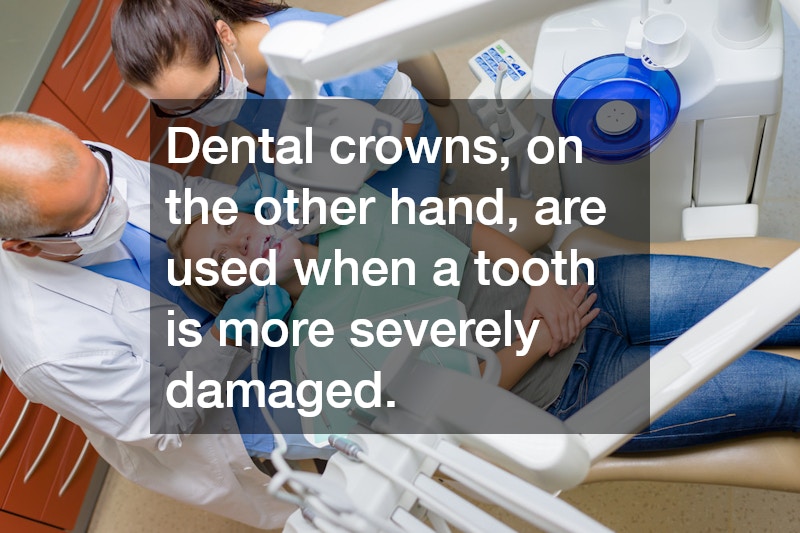
Dental crowns, on the other hand, are used when a tooth is more severely damaged. A dental crown covers the entire visible portion of the tooth, essentially acting like a protective cap. This makes dental crowns a stronger and more comprehensive solution for restoring function and appearance.
When Dental Fillings Are the Right Choice
Dental fillings are often recommended when the damage to a tooth is relatively small. If decay is caught early, a filling can restore the tooth without removing much of its natural structure.
Fillings are typically the best option when:
- The cavity is small or moderate in size
- The tooth structure is still strong
- There is no significant cracking or breakage
- The tooth does not require full coverage for protection
Because fillings preserve more of the natural tooth, they are a conservative and cost-effective treatment. However, they may not be suitable for teeth that have extensive damage or repeated decay.
When Dental Crowns Are the Better Solution
Dental crowns are recommended when a tooth is too damaged for a filling to provide adequate support. This can happen due to large cavities, cracks, root canal treatment, or wear over time.
Dental crowns are often the preferred option when:
- A tooth has a large area of decay
- The tooth is cracked or weakened
- A root canal has been performed
- A filling would not provide enough structural support
One of the biggest advantages of dental crowns is their durability. Because they cover the entire tooth, they provide strength and protection against further damage. Dental crowns also restore the shape and appearance of the tooth, making them a popular choice for both functional and cosmetic reasons.
Durability, Longevity, and Maintenance
When comparing dental crowns and fillings, durability is a key factor. Fillings can last several years but may need to be replaced if they wear down or become loose. They are more vulnerable to pressure from chewing, especially on back teeth.
Dental crowns typically last longer because they are designed to withstand greater force. With proper care, dental crowns can last 10 to 15 years or even longer. Good oral hygiene, regular dental checkups, and avoiding habits like teeth grinding can help extend their lifespan.
Cost and Treatment Considerations
Fillings are generally less expensive than dental crowns, making them an accessible solution for minor repairs. However, if a tooth needs repeated fillings or continues to weaken, the long-term cost may increase.
Dental crowns involve a higher initial cost because they require more material, time, and customization. However, they often provide better long-term value for severely damaged teeth by preventing future complications.
How to Decide Between Dental Crowns and Fillings
The decision between dental crowns and fillings depends on the condition of your tooth and your long-term oral health goals. A dentist will evaluate the extent of decay, the strength of the remaining tooth structure, and the location of the tooth before recommending a treatment.
In general, fillings are best for small repairs, while dental crowns are best for restoring and protecting significantly damaged teeth.
Restore Your Smile With Confidence
If you are unsure whether dental crowns or fillings are right for you, the best next step is a professional evaluation. At CHS Dental, personalized treatment plans are designed to protect your teeth and restore your smile with long-lasting results.