
A beautiful smile can make a lasting impression, but concerns about stained, chipped, uneven, or misshapen teeth can sometimes make people hesitant to smile. Cosmetic dentistry offers several options for improving the appearance of teeth, and veneers are one of the most versatile. These thin coverings are designed to bond to the front surfaces of teeth, creating a more balanced and polished appearance while addressing several common cosmetic concerns.
What Are Veneers?
Veneers are thin, custom-made shells that are placed over the visible surfaces of teeth. They can be made from materials such as porcelain or composite resin and are designed to complement the surrounding teeth for a natural-looking result. Because they are customized, the shape, size, shade, and overall appearance can be planned around a patient’s individual smile.
One of the advantages of this treatment is its ability to address multiple cosmetic concerns at once. Veneers may be used to improve the appearance of teeth that are discolored, chipped, worn, slightly uneven, or irregularly shaped. They can also help create a more uniform appearance when there are small spaces between teeth or differences in tooth proportions.
Rather than simply making teeth whiter, cosmetic treatment can change several visual characteristics of a smile, including tooth shape, length, symmetry, and color. This makes veneers an option for patients seeking a comprehensive smile enhancement.
What Happens During the Treatment Process?
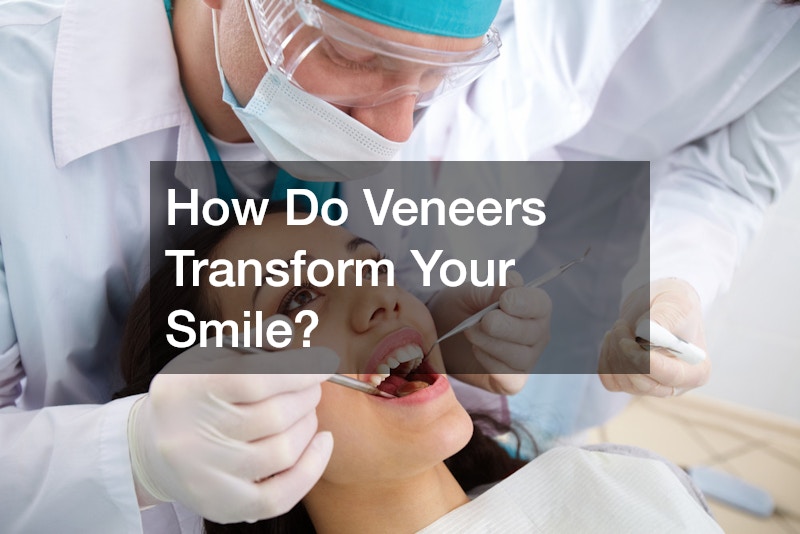
Getting veneers typically begins with a consultation and examination. A dentist evaluates the health of the teeth and gums and discusses the patient’s cosmetic goals. This step is important because cosmetic treatment should be based on both the condition of the teeth and the desired appearance.
If treatment is appropriate, the teeth may be carefully prepared to accommodate the restorations. Traditional porcelain veneers generally require the removal of a small amount of enamel from the front surface. Some patients may be candidates for very thin or no-preparation options, although the appropriate approach depends on factors such as tooth position, enamel, and the amount of material needed to achieve the desired result.
After preparation, impressions or digital scans can be used to create customized restorations. Temporary coverings may be placed while the final restorations are being fabricated. At a subsequent appointment, the dentist evaluates the fit, shape, color, and appearance of the restorations before permanently bonding them to the teeth.
This process allows the final smile to be carefully evaluated rather than relying on a one-size-fits-all approach. Adjustments can be made when necessary to help the finished result look comfortable and natural.
Are Veneers Right for Your Smile?
Although veneers can address many cosmetic concerns, they are not automatically the best choice for everyone. A thorough dental evaluation can help determine whether this treatment is appropriate. Existing cavities, gum disease, weakened teeth, or certain bite issues may need to be addressed before cosmetic treatment begins.
Patients should also understand that traditional veneer treatment may involve removing some natural enamel. For that reason, the decision should be made carefully with a qualified dental professional rather than based solely on photographs or trends seen online.
Maintaining good oral hygiene is also important after treatment. Regular brushing, flossing, dental visits, and attention to habits that could damage the restorations can help support the long-term appearance and health of the smile.
Creating a Smile That Looks Natural
The goal of cosmetic dentistry is not simply to create perfectly uniform teeth. A successful smile enhancement should take into account facial features, tooth proportions, existing dental structures, and the patient’s preferences. Carefully designed restorations can improve imperfections while maintaining characteristics that make a smile look natural.
For someone considering veneers, a personalized consultation is the best place to start. A dentist can explain the available options, evaluate oral health, discuss the treatment process, and help determine whether cosmetic treatment aligns with the patient’s goals.
If you are considering a smile makeover, Zachary Papadakis DDS can help you explore your cosmetic dentistry options. Contact the practice today to schedule a consultation and take the first step toward a smile you feel confident sharing.