

Choosing the right dental provider has a direct impact on your family’s long-term oral health, comfort, and care consistency. The decision goes beyond location or insurance coverage. It’s about evaluating the dentist’s qualifications, the services available, and how well the practice supports patients of all ages. Taking time to assess these factors helps you avoid mismatches and ensures a better experience over time.
A family dentists office plays a long-term role in preventive care, early diagnosis, and treatment planning. Asking the right questions upfront gives you clarity on whether a practice aligns with your expectations for quality, communication, and continuity of care.
What qualifications and experience does the dentist have?
Education and Training
A dentist’s education and ongoing training directly affect the quality of care you receive. Confirm where the dentist completed dental school, whether they pursue continuing education, and if they have training in areas relevant to your family’s needs. Ongoing education signals that the provider stays current with evolving techniques and standards of care.
Clinical Experience Across Age Groups
Experience matters, especially in a family setting. A provider who regularly treats children, adults, and seniors is better equipped to adapt care plans across life stages. Ask how long the dentist has been practicing and whether they routinely handle pediatric cases, preventive care, and restorative procedures. A broad case mix improves diagnostic accuracy and patient communication.
Professional Affiliations
Membership in recognized professional organizations reflects a commitment to clinical standards and ethical practice. Affiliations often require ongoing education and adherence to established guidelines. This can provide additional confidence in the quality and accountability of the care provided.
What services does the dental office offer?
Preventive and Routine Care
Preventive services form the foundation of oral health. Confirm that the practice provides routine exams, cleanings, x-rays, fluoride treatments, and sealants. Preventive education—such as brushing and flossing guidance—should be part of each visit. A family dentists office should emphasize prevention to reduce long-term treatment needs and costs.
Advanced and Cosmetic Treatments
Not all practices offer comprehensive services beyond routine care. Ask whether the office provides restorative treatments, orthodontic evaluations, whitening, crowns, or implants. Access to modern technology, such as digital imaging, can improve comfort and accuracy. A practice with broader capabilities reduces the need for outside referrals and improves continuity of care.
Pediatric-Focused Services
For families with children, pediatric-friendly care is essential. Ask how the practice supports young patients, including early screenings, sealants, and habit counseling. Providers experienced with children can reduce anxiety, improve cooperation, and encourage consistent attendance. Early positive experiences set the tone for lifelong oral health habits.
What is the office environment like?
Comfort and Accessibility
Comfort affects whether families keep regular appointments. Look for a clean, welcoming environment with thoughtful amenities and efficient scheduling. Separate or child-friendly waiting areas can help reduce stress for parents and kids alike. An organized practice that respects appointment times improves the overall experience.
Staff Professionalism and Communication
Staff interactions shape patient trust. From front desk communication to chairside support, professionalism and clarity matter. The team should explain procedures, costs, and follow-up steps in plain language. A well-coordinated staff reduces confusion and helps patients feel informed and supported.
Hygiene and Safety Standards
Infection control protocols are non-negotiable. Confirm that the practice follows current sterilization and sanitation standards and uses modern equipment to minimize risk. Transparency about safety procedures signals a commitment to patient well-being and clinical excellence.
Practical questions to ask before committing
-
How are emergencies handled outside regular hours?
-
What insurance plans are accepted, and how are costs explained?
-
How does the practice manage treatment plans and follow-ups?
-
Are referrals coordinated when specialty care is needed?
-
What does a typical first visit include?
These questions help clarify expectations and reduce surprises after you commit to care with a family dentists office.
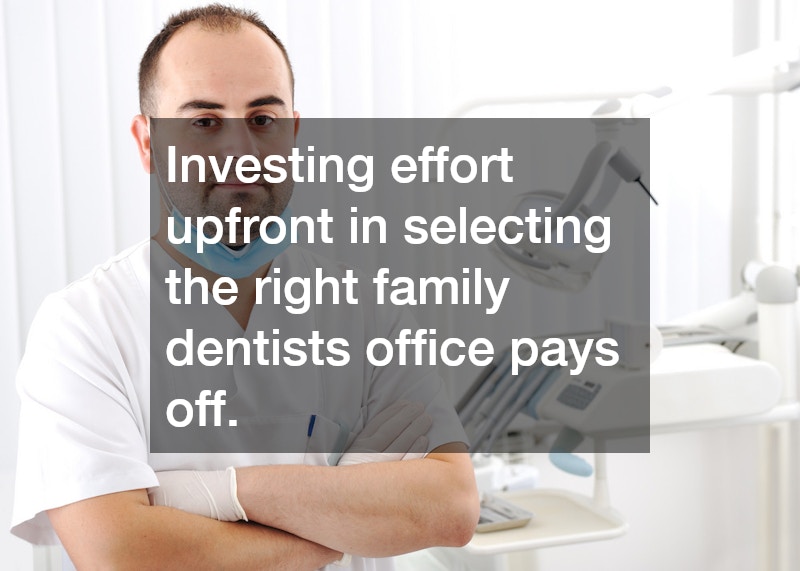
Choosing the right provider requires more than convenience. Evaluating qualifications, service scope, and office environment helps ensure your family receives consistent, high-quality care. A practice that prioritizes prevention, clear communication, and patient comfort will support better outcomes over time. By asking targeted questions before committing, you set your family up for a more reliable, long-term dental care relationship. Ultimately, investing effort upfront in selecting the right family dentists office pays off through healthier smiles and a positive experience for every family member.