Getting your wisdom teeth removed is a common dental procedure that many people undergo in their late teens or early twenties. While it’s a routine process, it’s still a surgical procedure that requires preparation, recovery, and a clear understanding of what to expect. If your dentist or oral surgeon has recommended a tooth extraction for your wisdom teeth, this guide will help you feel more confident and informed before heading into the operating room.
Why Wisdom Teeth Are Often Removed
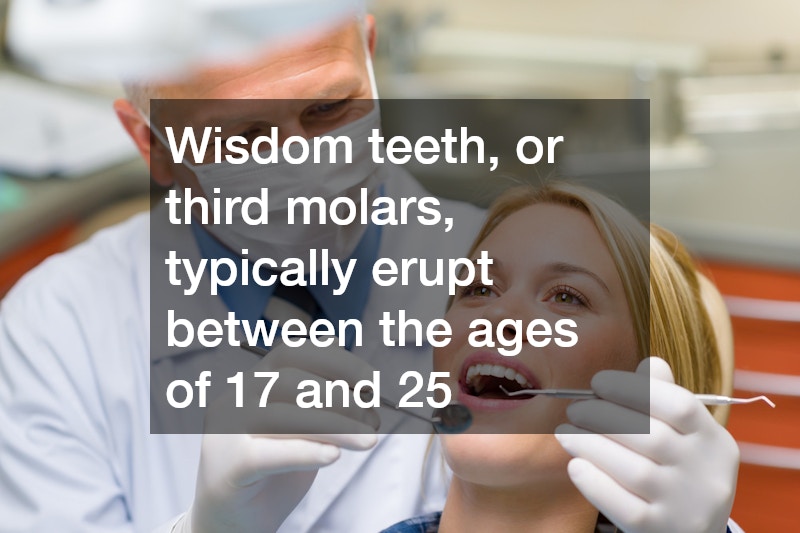
Wisdom teeth, or third molars, typically erupt between the ages of 17 and 25. For many people, these teeth can become problematic because there often isn’t enough room in the mouth to accommodate them.
When they don’t emerge properly, they may become impacted—growing at an angle or staying trapped beneath the gums.
Impacted wisdom teeth can cause a host of issues, including:
-
Pain and swelling
-
Gum infections
-
Damage to nearby teeth
-
Cysts or tumors in the jaw
-
Shifting of other teeth due to overcrowding
In such cases, dentists often recommend tooth extraction before complications arise. Even if your wisdom teeth haven’t caused issues yet, removing them proactively can help prevent problems later in life.
How to Prepare for the Procedure
Once your dentist determines that you need a tooth extraction, you’ll be referred to an oral surgeon for a consultation. At this appointment, the surgeon will take X-rays to examine the position of your wisdom teeth and decide on the best surgical approach.
In preparation for your surgery:
-
Arrange transportation. You’ll need someone to drive you home, especially if you’ll be sedated.
-
Follow fasting instructions. If anesthesia will be used, you may be required to avoid eating or drinking for several hours before surgery.
-
Wear comfortable clothing. Avoid jewelry, makeup, and contact lenses on the day of the procedure.
-
Discuss medications. Let your oral surgeon know if you’re taking any prescription or over-the-counter drugs, as some may need to be paused temporarily.
Preparation can make your tooth extraction experience safer and less stressful.
What Happens During the Procedure
Wisdom tooth extractions vary in complexity depending on how the teeth are positioned. Some can be removed quickly if they’ve fully erupted, while others require surgical incisions and even sectioning of the tooth for easier removal.
You may be offered different types of anesthesia:
-
Local anesthesia to numb the area
-
Nitrous oxide (laughing gas) for light sedation
-
IV sedation or general anesthesia for more complex procedures
The entire procedure typically takes 45 minutes to an hour, and you’ll likely be monitored in a recovery area before being sent home.
Recovery: What to Expect
The recovery period after a tooth extraction can last a few days to a week, depending on how many teeth were removed and whether any were impacted. During this time, it’s essential to follow your oral surgeon’s post-operative instructions carefully.
Common aspects of recovery include:
-
Swelling and bruising. These typically peak 48-72 hours after surgery.
-
Pain management. You may be prescribed pain medication or advised to use over-the-counter options like ibuprofen.
-
Bleeding. Some bleeding is normal within the first 24 hours. Gauze can help control it.
-
Diet modifications. Stick to soft foods like soup, yogurt, and mashed potatoes. Avoid hot, spicy, or crunchy items.
-
No straws or smoking. Suction can dislodge the blood clot and lead to dry socket—a painful complication.
Proper post-operative care helps minimize discomfort and lowers the risk of infection or complications.
Potential Risks and Complications
While most wisdom tooth removals go smoothly, all surgeries carry some risks. Being aware of possible complications can help you know when to seek follow-up care.
Potential issues include:
-
Dry socket (when the blood clot dislodges too soon)
-
Infection
-
Prolonged bleeding
-
Nerve damage (resulting in temporary or rare permanent numbness)
-
Sinus complications (if upper wisdom teeth are involved)
If you experience excessive swelling, fever, foul taste, or worsening pain after a few days, contact your oral surgeon promptly.
Tips for a Smooth Recovery
To support a fast and healthy recovery after your tooth extraction, consider these tips:
-
Sleep with your head elevated to reduce swelling.
-
Apply ice packs to the cheek in 20-minute intervals.
-
Rinse gently with warm salt water after the first 24 hours to keep the area clean.
-
Avoid strenuous activities for a few days to prevent bleeding.
-
Follow all medication instructions and finish any antibiotics if prescribed.
Being proactive and careful during your recovery can shorten downtime and ease discomfort.
When You Can Resume Normal Activities
Most people return to normal routines within a few days, but full healing may take several weeks. You should avoid vigorous physical activity, sports, or heavy lifting for at least 3-5 days post-surgery. Eating crunchy or hard foods should also be postponed until your oral surgeon confirms that the site has healed sufficiently.
If you had stitches that don’t dissolve on their own, you’ll likely need a follow-up appointment to have them removed. This is also a good opportunity for your surgeon to ensure everything is healing as expected.
Wisdom tooth removal is a very common form of tooth extraction, and when performed early, it can prevent pain, misalignment, and other dental complications. Knowing what to expect—from preparation and the procedure itself to recovery—can make the experience far less intimidating.
Choosing a qualified oral surgeon, following post-op care instructions, and staying informed are the best ways to ensure your procedure is successful and your recovery is smooth. With the right approach, you’ll be back to smiling—and eating your favorite foods—in no time.