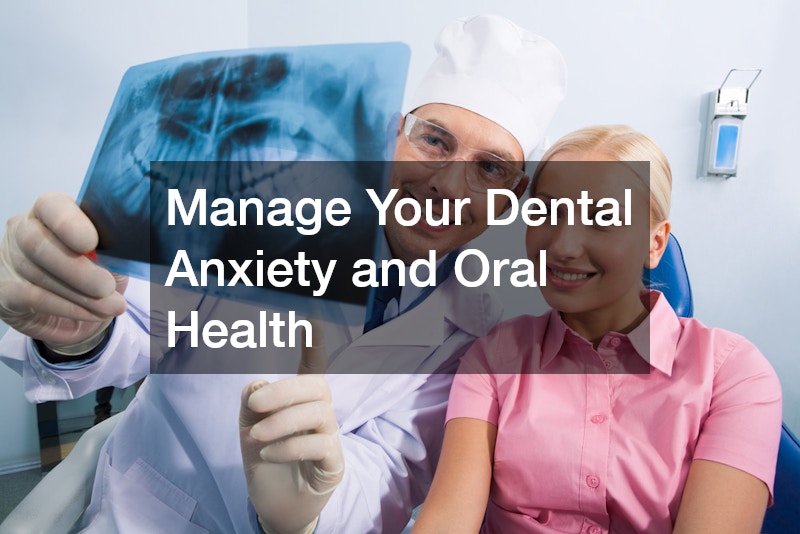
Anxiety around dental visits is far more common than most people realize. For many, even the simple act of scheduling an appointment can trigger a surge of stress, racing thoughts, and a strong urge to avoid the office altogether. This fear often stems from early childhood experiences, where an uncomfortable procedure left a lasting negative impression. Others experience anxiety due to a loss of control, fear of pain, or sensitivity to the sounds and smells associated with clinical environments.
It is important to recognize that feeling uneasy about a dental checkup is a completely natural human response. The mouth is a deeply personal and sensitive part of the body, and allowing someone else to examine it requires a high level of trust.
When negative past experiences or exaggerated fears take over, avoiding professional oral care becomes a coping mechanism. However, modern practices have evolved dramatically over recent years, transforming patient comfort and turning high-stress visits into manageable, routine experiences.
How Modern Oral Care Has Transformed
The environment inside a modern office bears little resemblance to the clinical settings of the past. Today, modern practice places gentle care, patient comfort, and open communication at the forefront of every treatment plan. Standard procedures are smoother, faster, and significantly more comfortable than they were a decade ago.
Advanced Technology for Pain-Free Procedures
Technological advancements have revolutionized how procedures are performed. Diagnostic tools like digital imaging and intraoral cameras allow for precise evaluations without uncomfortable molds or prolonged discomfort. Precision tools and modern numbing techniques ensure that routine treatments, as well as complex procedures, are virtually painless. Local anesthetics are now administered using ultra-fine needles, often preceded by topical numbing gels that make the initial pinch almost imperceptible.
Gentle Techniques and Patient-Centered Care
Beyond technology, the approach of the modern healthcare provider has shifted toward a partnership model. Practitioners take the time to explain every step before beginning, offering complete transparency so there are no sudden surprises. Many offices now feature calming amenities designed specifically to lower stress, including noise-canceling headphones, soothing lighting, and ergonomic chairs.
Practical Strategies to Overcome Anxiety
Managing fear begins before you even step into the treatment room. Taking proactive, small steps can help you regain a sense of control and significantly lower your stress levels during appointments.
Communicating Your Feelings Upfront
Open communication is the most effective tool for overcoming fear. When booking an appointment, inform the staff about your anxiety so they can prepare to accommodate your needs. Once in the chair, share your specific triggers with your provider, whether it is fear of pain, sensitivity to noise, or feeling overwhelmed. Establishing a simple hand signal, such as raising your left hand to request a break, allows you to maintain complete control over the pace of the procedure.
Deep Breathing and Relaxation Methods
Mind-body techniques are exceptionally effective at reducing physical stress responses. Deep, rhythmic breathing helps counteract the fight-or-flight response that triggers a rapid heartbeat and muscle tension. Try practicing slow abdominal breathing while waiting in the lobby or sitting in the chair. Inhale deeply through your nose for four seconds, hold for four seconds, and exhale slowly through your mouth. Progressive muscle relaxation, where you consciously tense and release different muscle groups, can also keep your body grounded and calm.
Distraction Techniques During Treatment
Diverting your attention away from the procedure helps quiet anxious thoughts. Bringing headphones to listen to your favorite podcast, audiobook, or relaxing music can block out ambient clinical sounds. Many patients find success using mental visualization, picturing a peaceful environment or focusing on a complex mental puzzle to keep the mind occupied while the practitioner works.
The Long-Term Benefits of Regular Care
Avoiding routine visits often creates a vicious cycle. When small issues like minor decay or surface buildup are ignored out of fear, they can develop into more significant conditions that require complex interventions down the road. Attending regular checkups breaks this cycle, allowing minor concerns to be caught early when treatments are quick, simple, and minimally invasive.
Building a consistent relationship with a compassionate dentist helps desensitize the fear response over time. Each positive, pain-free visit builds confidence and weakens the association between oral care and anxiety. Prioritizing your oral health not only preserves your smile, but it also restores peace of mind, proving that visits do not have to be a source of stress.
Taking care of your health should never feel overwhelming or scary. Modern dental care focuses on comfort, using painless techniques, gentle approaches, and soothing environments to keep you relaxed. Communication is key; telling your practitioner about your worries allows them to adjust the pace and explain every step. Simple tricks like deep breathing, listening to music, or using hand signals during treatments give you complete control. Visiting regularly prevents minor issues from growing into complex problems, making every appointment shorter and easier. With the right support and mindset, you can protect your smile comfortably and build lasting confidence in your oral care.